It’s frustrating when the same conversation keeps turning into the same argument. You try to explain yourself, your partner responds in a way that feels off, and before long, you’re both stuck in a cycle that doesn’t feel productive or connected. Couples counseling helps you step out of that pattern and begin building a healthier, more understanding relationship.
Many couples experience this at some point. It doesn’t mean your relationship is failing—it often means you’re facing relationship challenges that require new tools and support.
Stronger relationships start with better conversations—contact us today to get started.
When Conflict Becomes a Pattern
Every marriage or partnership experiences conflict. But when it becomes repetitive or unresolved, it can lead to ongoing relationship distress.
You might notice:
- The same disagreements keep coming up again and again
- Conversations escalating quickly or shutting down entirely
- Difficulty with communication or feeling unheard
- Growing emotional distance during tough times
These patterns are common, especially during significant life transitions like career changes, parenting, or shifts in family dynamics.
The good news is patterns can change. And that’s where couples therapy can help.
Why Communication Breaks Down
Most couples don’t struggle because they don’t care—they struggle because they don’t yet have the tools for effective communication.
When emotions run high, it’s easy to react instead of respond. One person may push for answers, while the other withdraws. Over time, this creates frustration for both you and your partner.
Working with an experienced couples therapist helps you slow these interactions down and begin to identify what’s really happening underneath the surface.
Through this process, couples begin to build a deeper understanding of each other’s needs, reactions, and emotional experiences.
What Couples Counseling Actually Looks Like
If you’re considering relationship counseling, you might wonder what happens in a session.
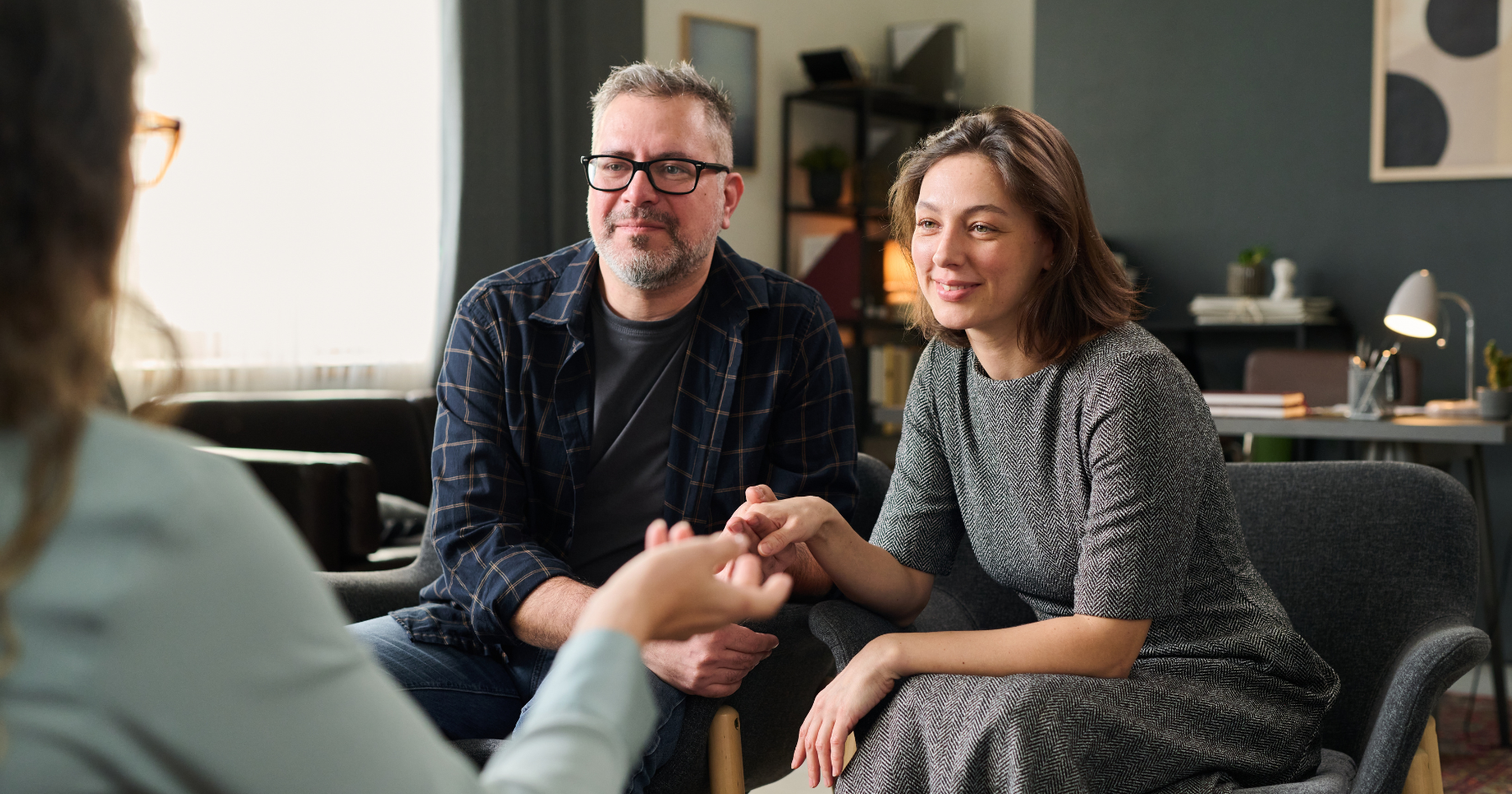
In a typical session, whether in person or through online couples therapy, you’ll meet with an experienced professional with a master’s degree in counseling.
The focus is on creating a safe space where both partners can:
- Share openly without interruption
- Feel heard and understood
- Begin practicing healthier communication
Therapists may use evidence-based approaches like the Gottman Method or emotionally focused couples therapy as part of their therapeutic approach.
This isn’t about taking sides—it’s about helping the relationship itself grow stronger.
What You Can Work Through Together
Couples come into marriage counseling or couples therapy for many different reasons.
Some are navigating:
- Ongoing relationship problems or unresolved conflict
- Trust issues or emotional disconnection
- Stress related to child rearing or daily responsibilities
- External pressures like work, finances, or substance abuse
Others come simply because they want to be proactive—through premarital counseling or by strengthening their connection before challenges deepen.
No matter the situation, couples therapy work focuses on helping partners move toward shared understanding and shared goals.
Rebuilding Connection Over Time
One of the most important shifts in counseling is moving from reaction to intention.
Instead of repeating the same patterns, couples begin to:
- Practice conflict resolution skills
- Develop healthier coping strategies
- Create space for quality time and reconnection
- Improve communication in everyday moments
Over time, this leads to meaningful change, not just in how conflicts are handled, but in how partners experience each other.
This kind of growth supports both the relationship and each person’s long-term well-being.
What to Expect From the Process
Starting therapy can feel like a big step, but it doesn’t have to be overwhelming.
Most couples begin with a first session where you talk through your current concerns and what you hope to change. From there, your therapist may help outline a flexible treatment plan.
Some couples benefit from a mix of individual sessions and joint sessions. Others continue with regular future sessions together.
Options may include:
- In-person counseling
- Online couples sessions for flexibility
- Exploring insurance coverage or choosing to pay out of pocket, depending on your needs
The process is designed to meet you where you are.
Finding the Right Support
Not every therapist is the same, and finding the right couples therapist matters.
Look for someone with:
- Experience in marriage therapy or family therapy
- A clear therapeutic approach
- An understanding of your relationship’s unique challenges
- A focus on helping both partners feel supported
The right fit creates a space where both you and your partner can grow.
When You’re Ready for Something Different
If your relationship feels stuck in the same patterns, it doesn’t mean that’s where it has to stay.
With the right support, couples can learn new ways to communicate, navigate conflict, and reconnect in a way that feels more natural and sustainable.
Change is possible—and it often starts with a single conversation that feels different from the rest.
When you’re ready for more understanding and less conflict,our team is here to support your next step.