
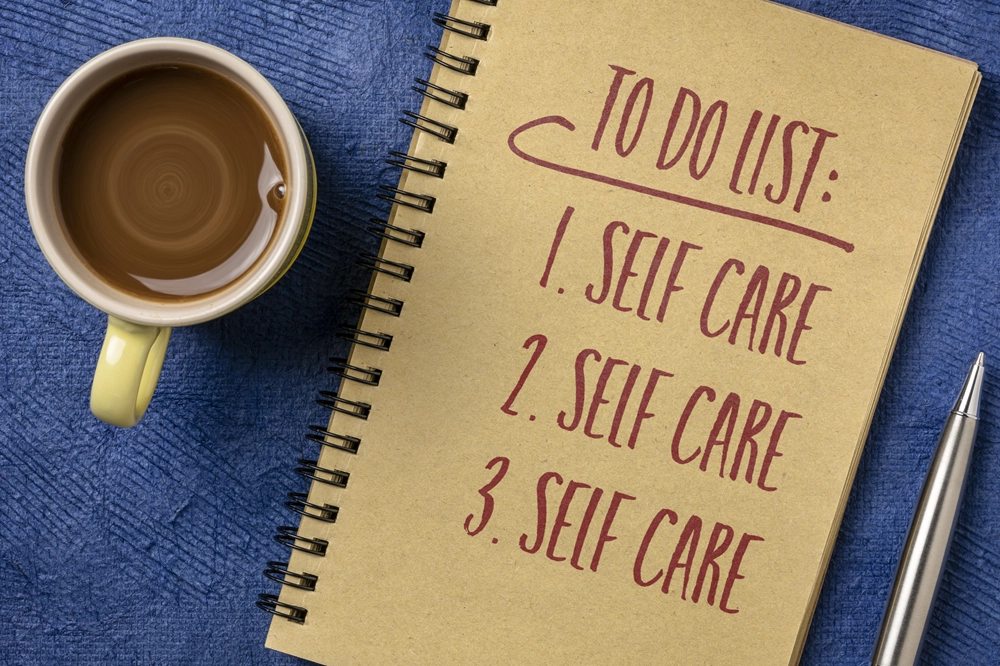
In today’s fast-paced world, it is easy to feel overwhelmed by responsibilities, commitments, and the constant pressure to be productive. Many of us fall into the trap of thinking that taking time for ourselves is selfish—an indulgence we cannot afford. But here is the truth: self-care is not selfish. It is essential.
When we prioritize self-care, we recharge our physical, emotional, and mental energy, allowing us to show up as our best selves for our families, friends, work, and communities. Think of it like the instructions on an airplane: you need to put on your oxygen mask before assisting others. Self-care is your oxygen mask in everyday life.
Why Self-Care Matters
Self-care is not just about bubble baths and spa days (though those can be great!). It is about maintaining your well-being to live a balanced, fulfilling life. Neglecting self-care can lead to burnout, increased stress, and even physical health problems like fatigue, headaches, or a weakened immune system.
Practicing self-care helps you:
- Improve your emotional health. Engaging in activities you enjoy and that relax you can reduce stress and increase happiness.
- Build resilience. Regular self-care helps you handle life’s challenges more calmly and with greater clarity.
- Enhance relationships. When you care for yourself, you can give more to those you care about.
How to Make Self-Care a Priority
Self-care looks different for everyone, but here are some actionable tips to help you build it into your daily life:
1) Set Boundaries
Learning to say “no” is one of the most empowering forms of self-care. You do not have to overextend yourself to please others. Protect your time and energy by identifying your limits and sticking to them.
2) Schedule “Me Time”
Put self-care on your calendar as a non-negotiable appointment. Treat this time as sacred, whether it is 15 minutes to journal, an hour for yoga, or a walk in nature.
3) Take Care of Your Body
Physical self-care—like getting enough sleep, eating nourishing foods, and exercising—lays the foundation for overall well-being. Small changes, like stretching in the morning or drinking more water, can make a big difference.
4) Practice Mindfulness
Mindfulness practices such as meditation, deep breathing, or simply paying attention to the present moment can reduce stress and improve focus. Start small—just five minutes a day can have a significant impact.
5) Connect with Others
Spending time with supportive friends or loved ones can recharge your emotional batteries. Whether it is a coffee date or a heartfelt conversation, meaningful connections are vital to self-care.
6) Engage in Activities You Love
Rediscover hobbies or try something new that brings you joy, whether painting, playing an instrument, gardening, or baking. Creative outlets are powerful forms of self-care.
Overcoming Guilt About Self-Care
Feeling guilty when prioritizing yourself is normal, especially if you are used to putting others first. But consider this: when you neglect your needs, your capacity to support others diminishes. Taking care of yourself is not selfish–it is sustainable.
A helpful way to reframe this is to ask yourself, “What example am I setting?” If you are a parent, friend, or leader, practicing self-care shows those around you that well-being matters. It inspires others to do the same.
Start Small, Stay Consistent
You do not need to overhaul your life to practice self-care. Start with one small habit, like taking five minutes to breathe deeply before bed or setting aside 10 minutes in the morning to journal. The key is consistency—small, regular acts of self-care add up over time.
Remember, you are worthy of care and kindness, just like anyone else. Self-care is not selfish—it is an investment in yourself and the people you love. Take the time to recharge. You will be better for it, as will the world around you.
A professional counselor at TFCC can help you identify simple techniques to make self-care a priority in your life.